(+91) 8100 204 400
 winpainsolutions@gmail.com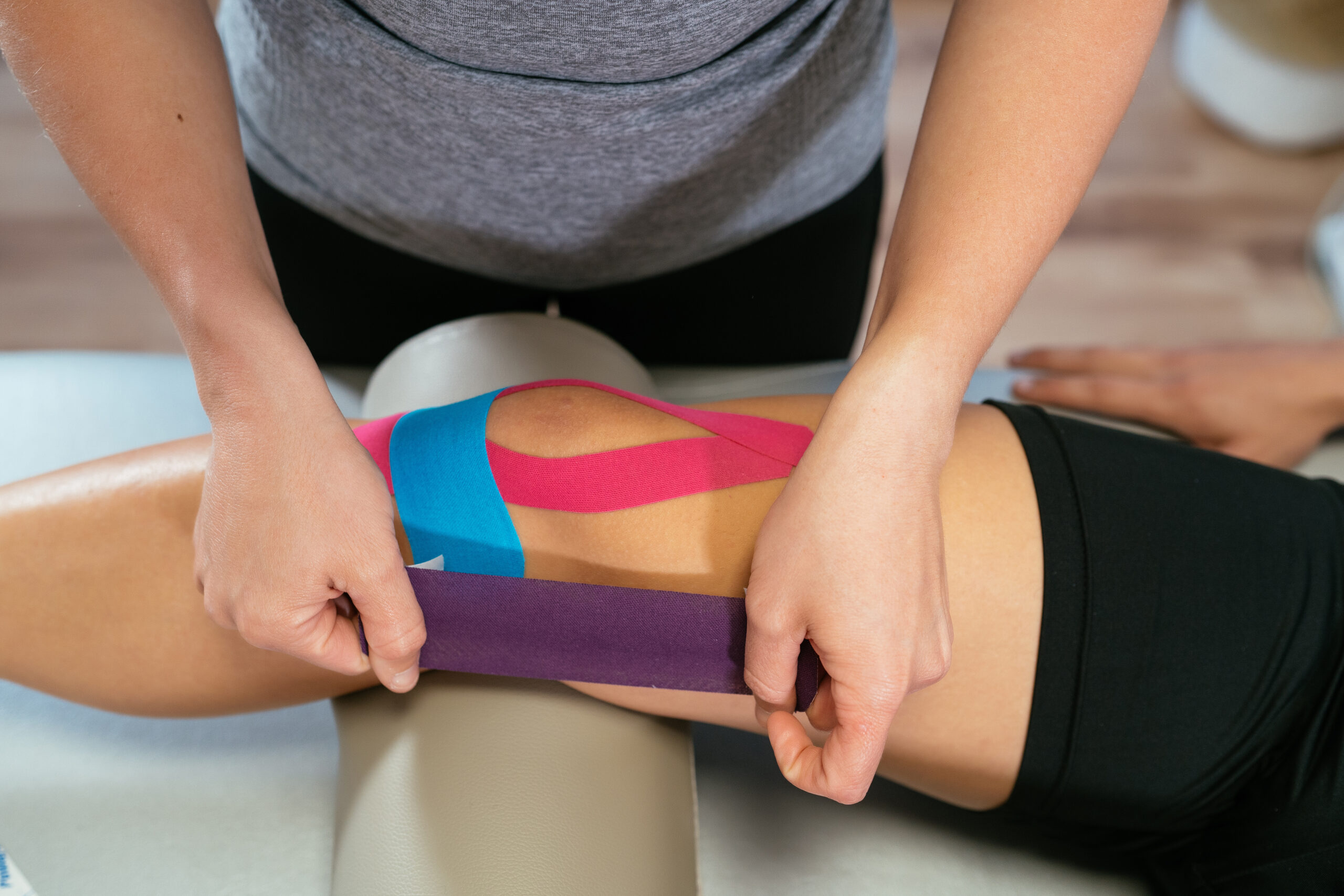
Advanced Kinesiology & Rigid Taping Therapy for Pain Relief and Injury Support
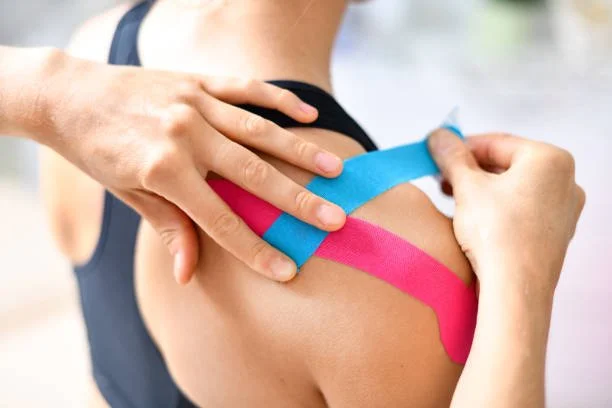
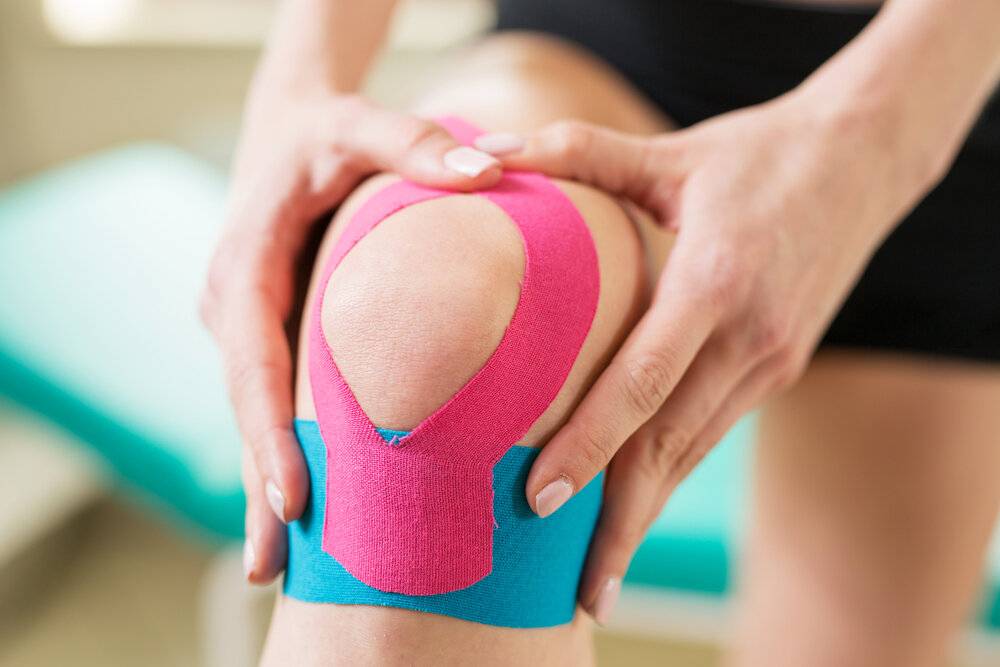
Advanced Kinesiology and Rigid Taping is a modern physiotherapy technique widely used to support injured muscles, stabilize joints, and improve movement without restricting normal body function. It is commonly used in sports medicine, rehabilitation therapy, and physiotherapy treatments to help reduce pain, promote healing, and prevent further injuries. This therapy involves applying specially designed medical tapes to the skin in specific patterns to support muscles, ligaments, and joints. These tapes work by improving circulation, reducing muscle tension, and guiding proper movement patterns during physical activity. Kinesiology and rigid taping techniques are often used by physiotherapists, chiropractors, and sports medicine specialists to enhance recovery and support patients suffering from musculoskeletal conditions. The treatment is non-invasive, drug-free, and suitable for people of all ages, including athletes and individuals with chronic pain conditions.
What Is Kinesiology Taping?
Kinesiology taping uses a flexible and elastic therapeutic tape designed to mimic the elasticity of human skin. The tape gently lifts the skin, which helps improve blood circulation and lymphatic drainage in the affected area. This process reduces inflammation, relieves pressure on pain receptors, and promotes faster healing. Unlike traditional athletic tape, kinesiology tape allows a full range of motion while still providing support to muscles and joints. It is often applied along muscles, tendons, or ligaments to reduce strain and improve muscle function. Kinesiology taping is especially useful for individuals who need support during movement, exercise, or rehabilitation without restricting mobility.
What Is Rigid Taping?
Rigid taping, also known as athletic taping, is a technique used to provide strong support and stabilization to injured joints or muscles. Unlike kinesiology tape, rigid tape is less elastic and is designed to limit excessive movement in injured areas. Rigid taping is commonly used in sports injury management to protect joints such as ankles, knees, shoulders, and wrists. By restricting harmful movements, rigid tape helps prevent further injury while allowing controlled movement for healing. Physiotherapists often use rigid taping immediately after injuries, during sports participation, or during rehabilitation exercises to protect vulnerable joints.
How Kinesiology & Rigid Taping Works
Both kinesiology taping and rigid taping work by supporting the body’s natural healing process. When applied correctly by a trained therapist, these tapes help improve stability, muscle activation, and circulation. The therapy works by: Supporting weak or injured muscles Stabilizing joints and ligaments Reducing muscle fatigue and strain Improving blood circulation and lymphatic drainage Enhancing body awareness and posture Preventing further injury during activity These benefits make taping therapy a valuable part of physiotherapy and rehabilitation programs.
Benefits of Advanced Kinesiology & Rigid Taping
Kinesiology and rigid taping offer several benefits when used as part of a comprehensive physiotherapy treatment plan. These techniques help support injured areas while allowing the body to heal naturally. Some key benefits include: Immediate support for injured muscles and joints Reduced pain and muscle tension Improved circulation and reduced swelling Enhanced joint stability during movement Prevention of further injury during sports or daily activities Faster recovery during physiotherapy rehabilitation Drug-free and non-invasive treatment These benefits make taping therapy highly effective for both injury treatment and injury prevention.